
Reads
Searches PubMed and Europe PMC for literature on FeLV and related retroviruses, and downloads the full text where it is open access.
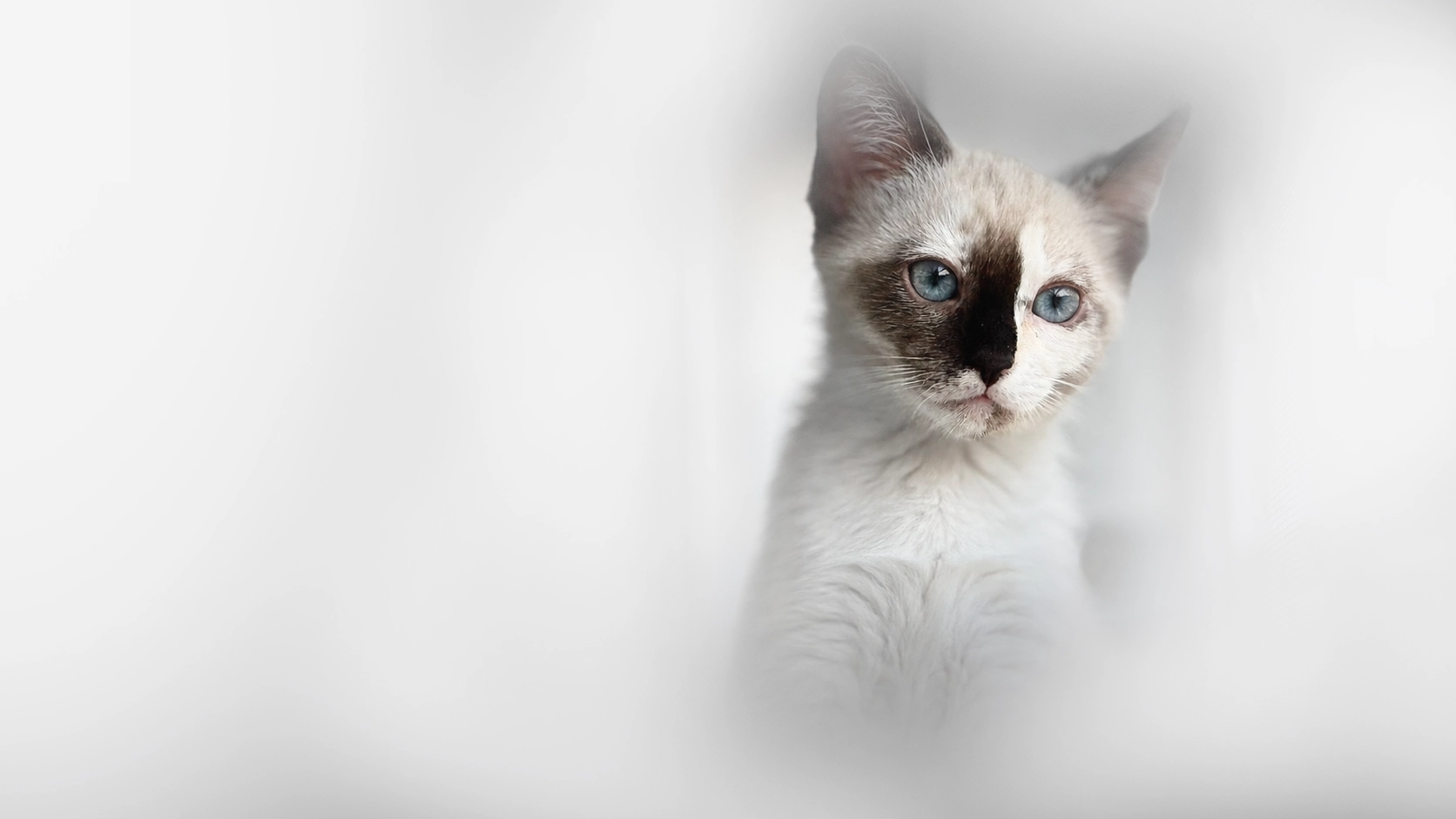
Born from Ava's story. Built to turn questions into traceable scientific knowledge.
More is published on feline leukemia than anyone can read together. AVA Project reads it, extracts what each study claims, anchors every claim to the exact sentence behind it and cross-references it with the rest: where they agree, where they contradict each other, and what remains unanswered. It does not replace research; it makes searching inside it possible.
Searches PubMed and Europe PMC for literature on FeLV and related retroviruses, and downloads the full text where it is open access.
From each study it extracts specific claims, each anchored to its verbatim quotation, and relates them to the rest of the corpus.
Everything appears here with its source, its quotation and its evidence level. Unanswered questions are published as plainly as findings.
Figures come from the published knowledge base and are updated progressively.
Questions currently being investigated by the AVA Project.
We publish what we know, where it comes from and what uncertainty remains. A hypothesis is never presented as a treatment.
Papers identified, classified and connected to their claims.
Evidence includes the exact passage and its location in the source.
Limitations, contradictions and negative findings are part of the knowledge.
Knowledge should circulate and remain reusable.
Every conclusion preserves the path back to its source.
Hope is built on evidence, not assertions.
Complex diseases require multiple disciplines.
The percentage represents published evidence mapped by the AVA Project. It is not a probability of cure.
A note is published when reading several papers together says something none of them says alone. That has not happened yet. In the meantime, every analysed paper has a page of its own.
Read the research notes →6 statements were extracted from this paper, each with its verbatim excerpt. The hypothesis engine is not running, so it is not yet tied to an open question.
View analysis →The map connects sources, claims, biological mechanisms and open questions to reveal both patterns and gaps.
Access sources, analyses, claims, methodology and data published by the AVA Project.
Explore the repository →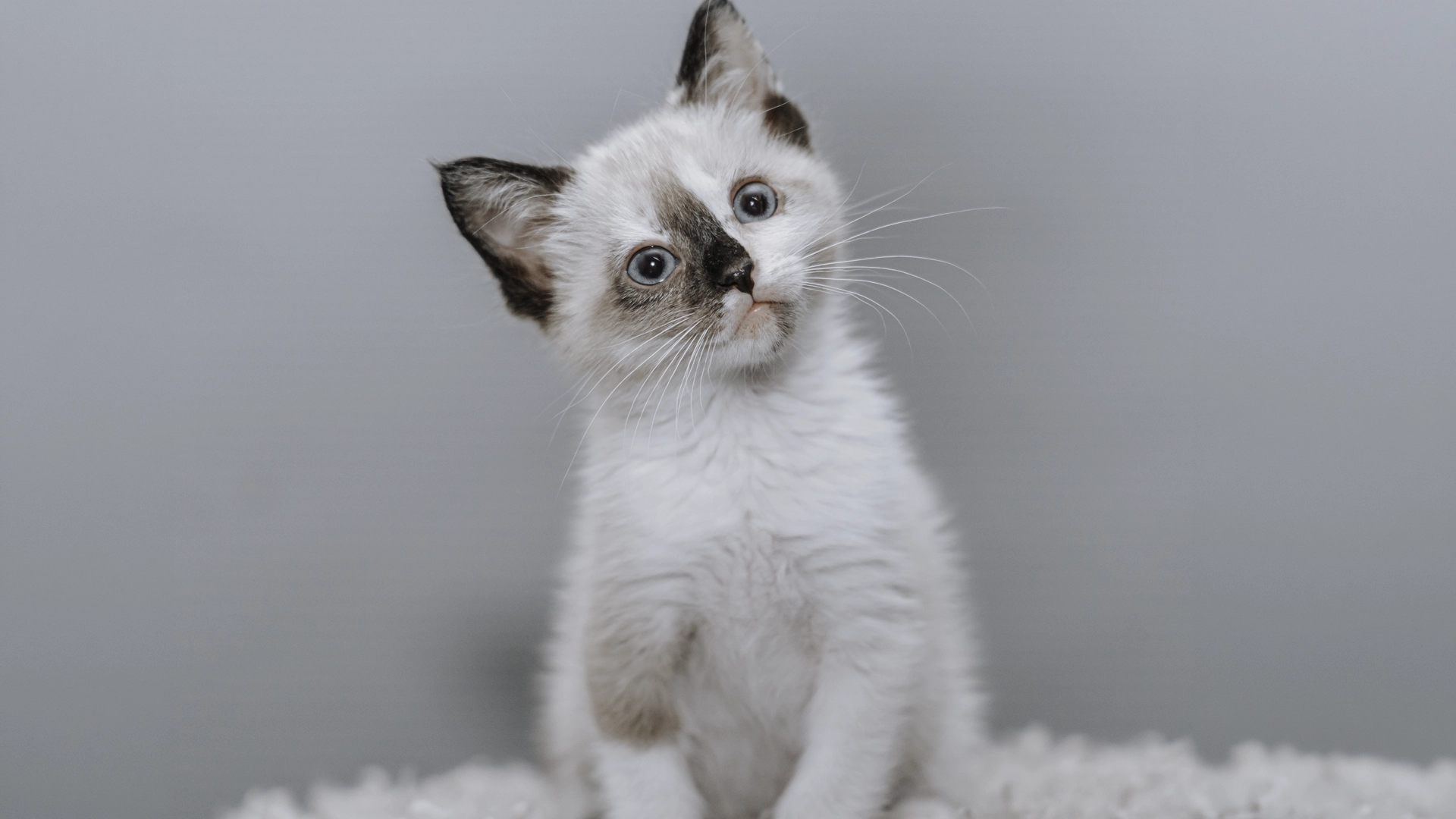
Ava was a young cat whose illness raised questions that did not disappear when she did.
The AVA Project exists to keep asking them and share every answer openly.
Ava was a young cat: curious, affectionate in her own way, and deeply loved.
She was barely a year and a half old. A small life in time, but an enormous one for those who shared a home with her.
Over a few weeks she began to grow quieter, to eat less, and to breathe in a way that did not seem right.
What began as a worry ended far too soon. In a matter of days, everything changed.
Ava was diagnosed with feline leukemia (FeLV), severe anaemia, and a mass in her chest consistent with a lymphoma.
Her illness was already far advanced. There was barely time to understand what was happening before we had to say goodbye to her.
Why a cat so young? Could it have been caught earlier? What do we really know about FeLV? What happens when anaemia, immunosuppression or lymphoma appear?
Ava is gone, but those questions stayed.
Because it started with her.
AVA Project was born from the need to turn those questions into searching, into knowledge and into collaboration: to investigate, gather what is known, and share it openly so that it can serve others.
Ava could not benefit from the answers we are looking for now.
That is why this project carries her name. So that her story does not end with her absence, and to try to make sure that one day other cats have more time, more options and better answers.
For Ava. And for all those who come after her.